Feline Infectious Peritonitis (FIP) is a serious and often fatal disease in cats caused by a mutation of feline coronavirus (FCoV). Although coronavirus is common among cats and usually causes mild symptoms, mutations may in some cases lead to FIP.
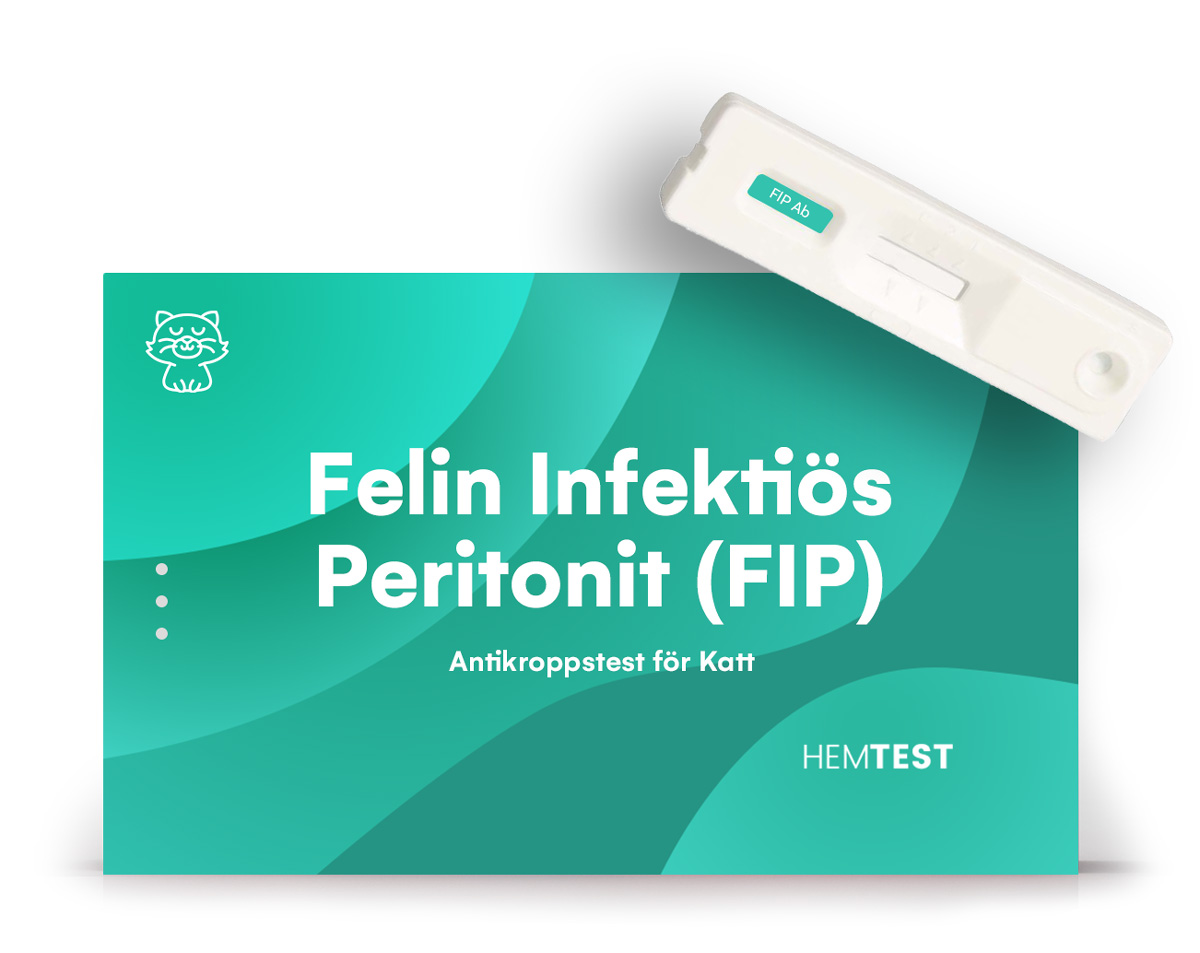
This test identifies antibodies against coronavirus in cats and can be an important part of a veterinarian’s investigation when infection is suspected. Please note that a positive result only indicates previous exposure to the virus and does not necessarily mean the cat has developed FIP.
Which cats are at higher risk?
FIP is more commonly seen in young cats under two years of age, purebred cats, and cats living in larger groups. Male cats appear to have a slightly higher risk.
Common symptoms of FIP:
- Fatigue and lethargy
- Reduced appetite and weight loss
- Recurring fever
The difference between wet and dry FIP:
- Wet form: Causes fluid accumulation in the abdomen or chest cavity, which may result in abdominal swelling or breathing difficulties.
- Dry form: Can affect several organs, including the intestines, brain, and eyes. It often develops slowly with symptoms such as neurological changes and weight loss.
Diagnosis with our antibody test
Diagnosing FIP can be challenging as it requires an overall assessment of the cat’s symptoms, blood tests, and other examinations. Our FIP antibody test provides a fast and simple method for detecting antibodies against feline coronavirus. A positive result indicates exposure to the virus and may support further veterinary investigation.
It is important to remember that the presence of antibodies does not necessarily mean that the cat has developed FIP, since many cats carry coronavirus without becoming ill. Test results should therefore always be interpreted together with other diagnostic methods for a more complete health assessment.
How can you reduce the risk of FIP?
Since coronavirus spreads through feces, good hygiene is essential. Regular cleaning of litter boxes, food bowls, and water bowls may help reduce transmission. Avoiding overcrowding and stress in cat groups may also help prevent disease development.
This test is a valuable tool for veterinarians and breeders to better understand a cat’s exposure to coronavirus and support a more informed care plan.